We lose things. It's one of the most universal human experiences there is. Keys left on a counter, a bag forgotten under a seat, a jacket abandoned in a pub. Most of us have a story — usually more than one.
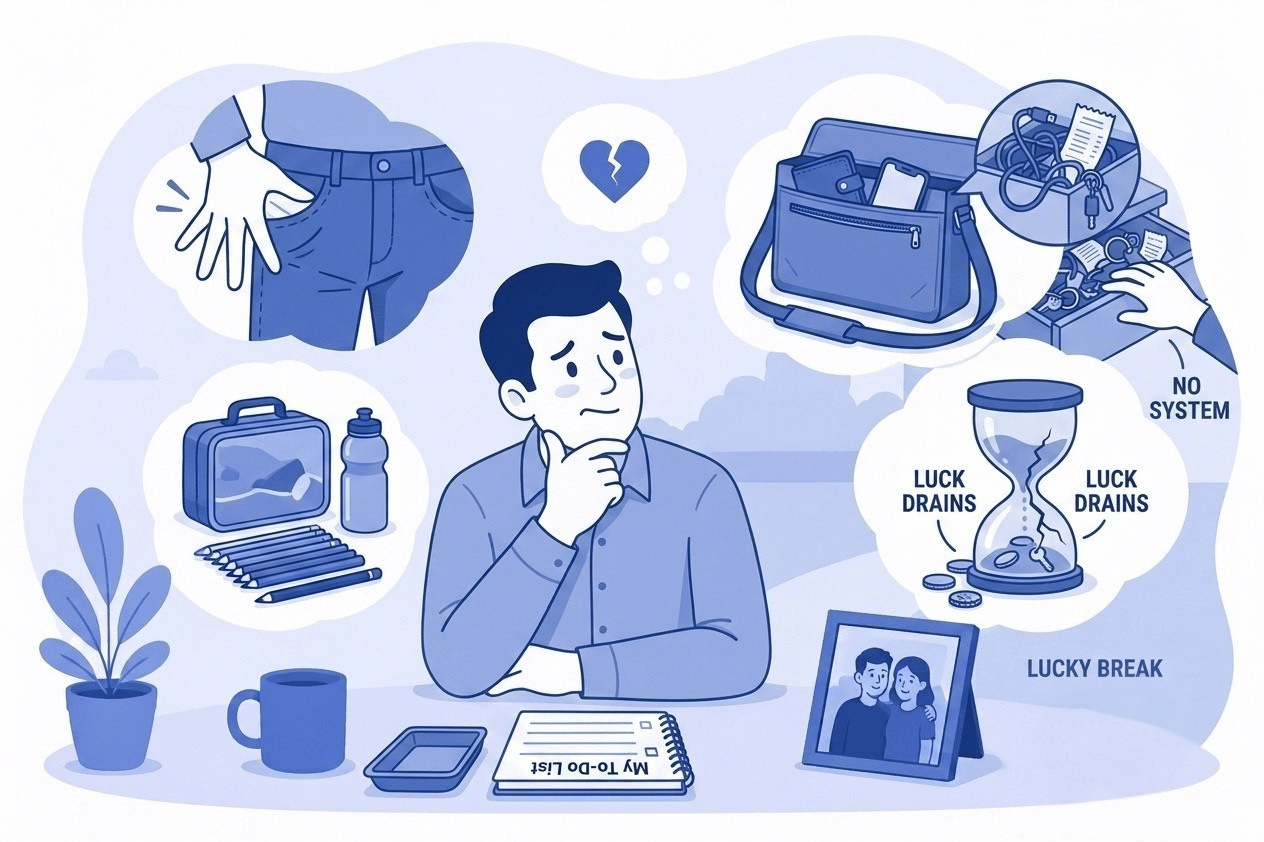
But while losing something is common, getting it back is far less so. And it's not always bad luck. A lot of the time, there's a reason certain items disappear for good — and it comes down to how easy (or hard) they are to return.
The Things We Lose Most Often
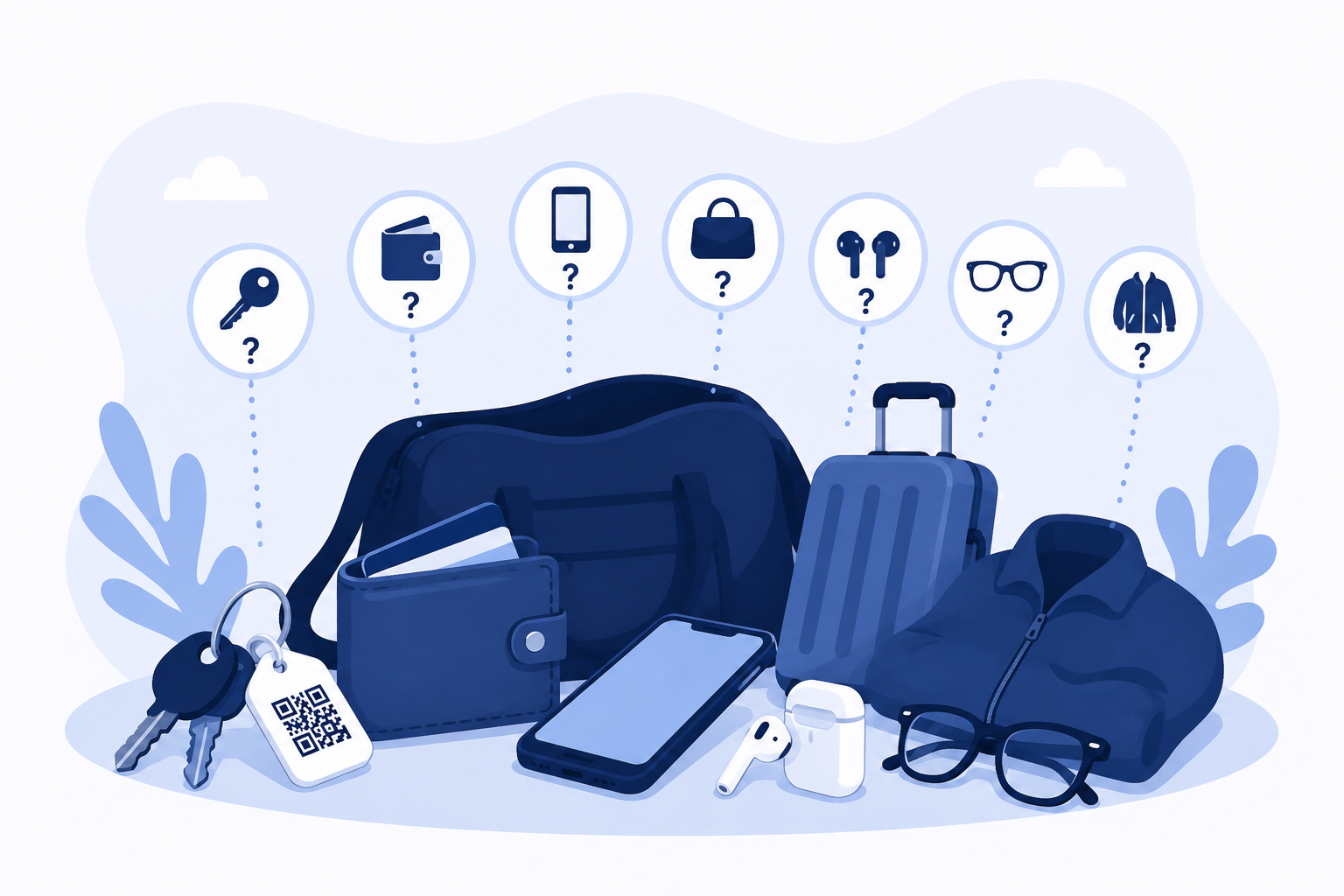
Research consistently puts the same items near the top of the list:
- Keys — The classic. Dropped in a rush, left in a door, fallen out of a pocket on the way home. Keys are small, easy to misplace, and carry no identifying information whatsoever.
- Wallets and purses — High-value, high-stress. People do try to return these — but without contact details inside, the best most finders can do is hand them in somewhere and hope.
- Phones — Paradoxically, one of the easier things to return. A found phone can often be unlocked to find a contact, or the SIM can be used to call "home." Still, not guaranteed.
- Bags and luggage — Particularly common on public transport. Left on trains, under seats, in overhead lockers. By the time you realise it's gone, you could be miles away.
- Earphones and headphones — Small, wireless, and increasingly expensive. Easy to leave behind, almost impossible to trace.
- Glasses and sunglasses — Taken off and forgotten constantly. Usually completely anonymous.
- Jackets and coats — Especially in pubs, restaurants, and venues. The problem isn't that people don't hand them in — it's that there's no way to match them to their owner.
So Why Don't They Come Back?
Here's the thing — a lot of lost items are found. People do pick things up. They do hand things in. The problem isn't a shortage of good intentions. It's a shortage of connection.
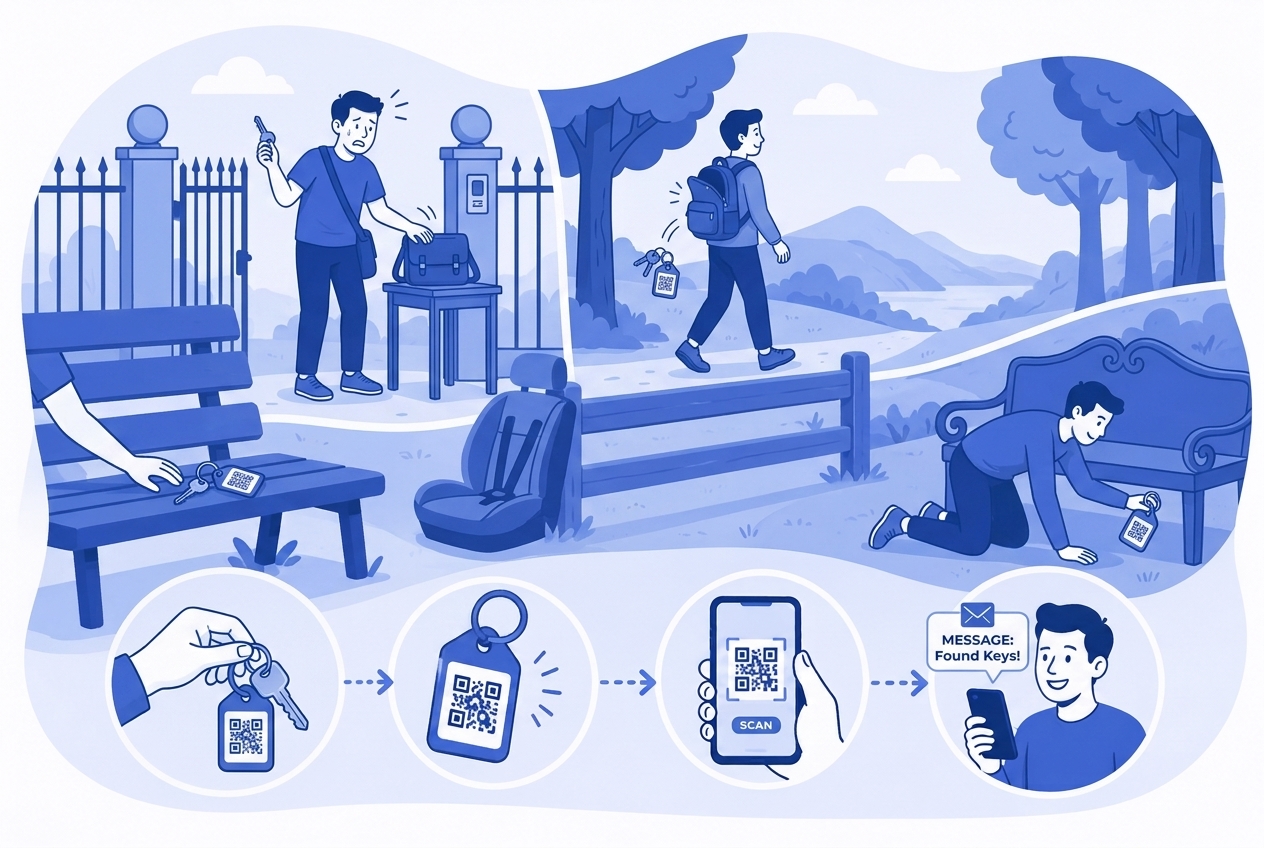
When someone finds a set of keys, they have almost nothing to work with. There's no name. No number. No way to reach the owner. Even if they wanted to return it, they can't. So it ends up in a drawer, a lost property box, or eventually, a bin.
Wallets are a bit better — there might be a bank card with a name, or a loyalty card. But unless you're willing to go well out of your way, tracking someone down from a name alone isn't realistic.
The honest truth is that traditional lost and found systems were never designed to close the gap between finder and owner.
They were designed to store things — not return them.
The Missing Link
What's actually needed is something simple: a way for the person who found something to reach the person who lost it, quickly and without any hassle.
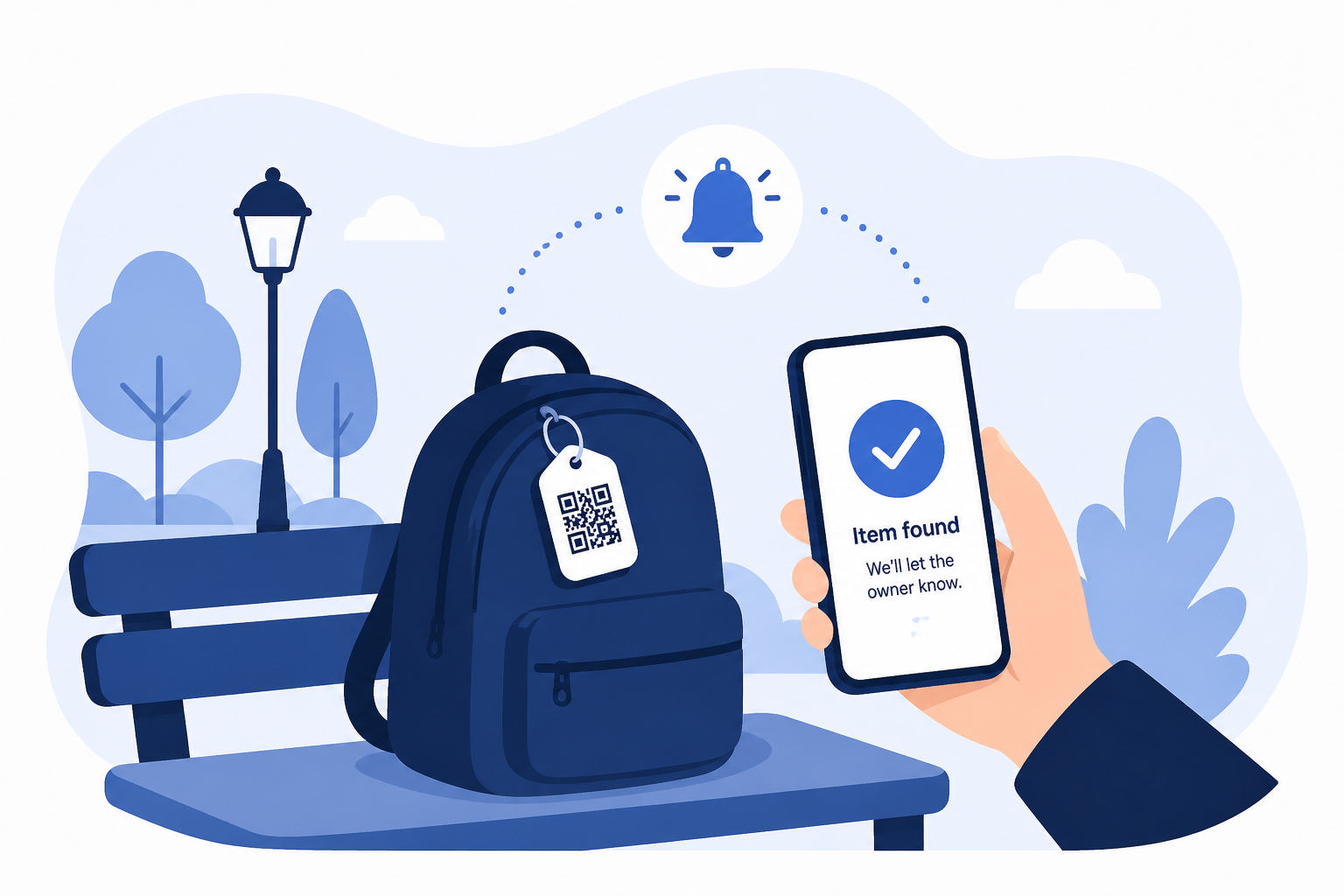
That's exactly what R2O does. A small QR tag attached to your valuables means that anyone who finds them can scan it and send you a message — privately, instantly, without needing to know who you are or hand anything in anywhere.
No awkward exchanges. Just a fast, direct line between finder and owner.
It won't help with everything — a loose button or a forgotten umbrella probably isn't worth tagging. But for the things that actually matter? Keys, bags, headphones, luggage, camera equipment — anything you'd genuinely be devastated to lose — R2O gives them a fighting chance of finding their way home.
Tag the Things That Matter
You can't stop yourself losing things. But you can make sure that when something goes missing, it has a real shot at coming back.
Start with the things on this list. The items you'd dread losing. The ones with no name, no number, no way for a finder to reach you.
Give them one.