The Part of Your Routine You Haven't Thought About
You go for a run. You leave your bag by a bench, or your jacket tied to a fence, or your bike locked up outside a cafe while you grab a coffee. You're gone for forty minutes, maybe an hour.
When you get back, it's fine. It's always fine.
And because it's always fine, you stop thinking about it. It becomes part of the routine. Park the bike, leave the bag, head off. No second thoughts.
Until one day it isn't fine. And by then it's already too late to do anything about it.
Cyclists, Runners, Hikers - This One's for You
People who exercise outdoors have a particular relationship with their gear. It goes everywhere with them, it costs more than they'd like to admit, and a surprising amount of it ends up temporarily unattended on a regular basis.
A cycling jacket left on a wall at the top of a climb. A backpack propped against a tree at a trailhead. A kit bag dumped at the side of a pitch. None of it locked. None of it labelled in any way that helps a stranger return it.
Most of the time, someone walks past and doesn't give it a second look. But sometimes someone walks past, spots it, and genuinely wonders whose it is and whether they should do something about it.
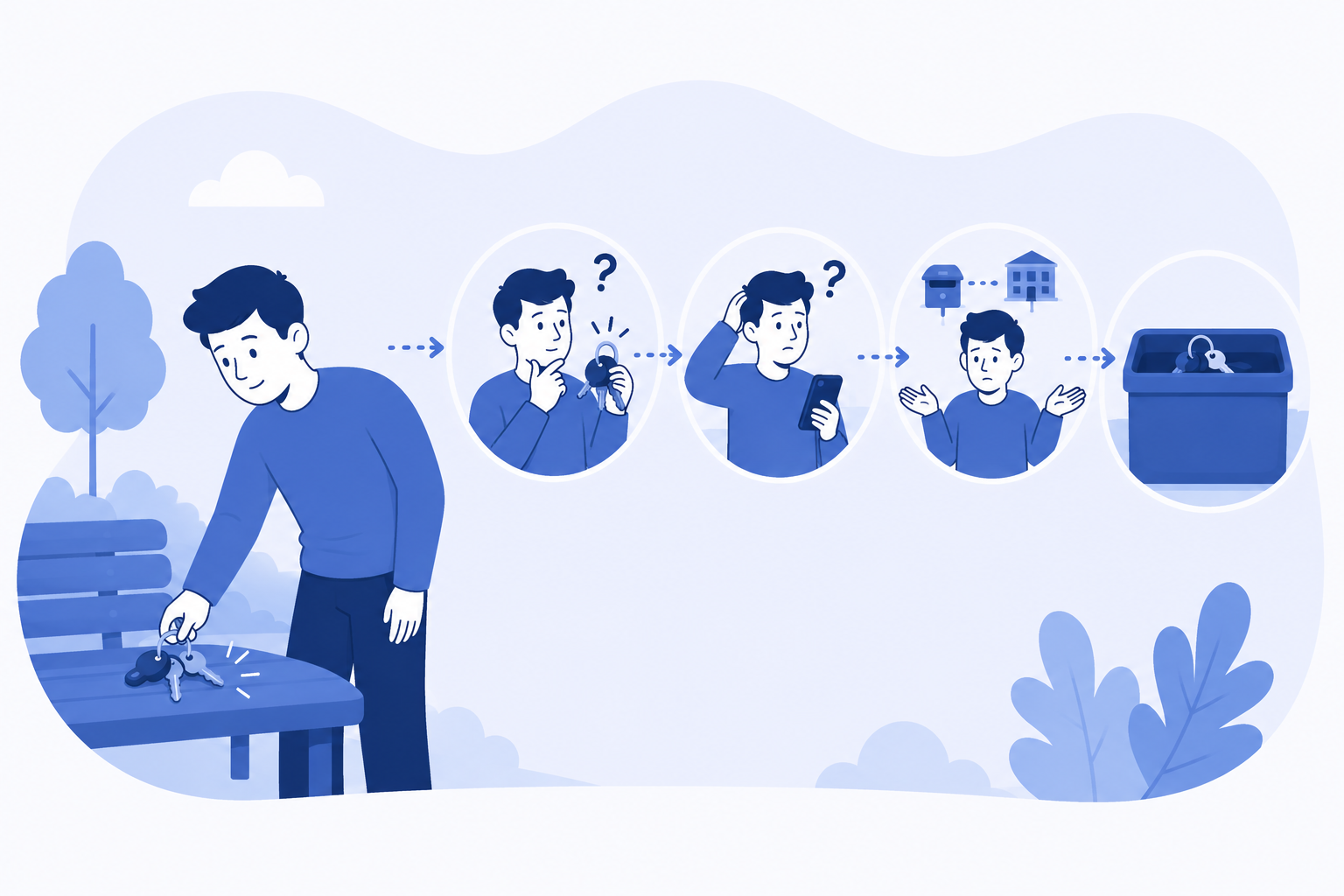
They pick it up. They want to help. And then they stand there holding someone else's expensive kit with absolutely nothing to go on - no name, no number, no way to connect what they're holding to the person it belongs to.
So it either gets handed in somewhere and ends up forgotten, or it stays exactly where it was and takes its chances. Neither outcome is great.
Gear Is Expensive. Lost Gear Is More Expensive.
A decent cycling jacket. A hydration pack. A GPS watch left in a bag. Running shoes that took three months of research to choose. None of these things are cheap, and all of them are surprisingly easy to misplace, leave behind, or walk off from while you're not looking.
Replacing any of it is painful. Not just the cost - the process. Finding the same thing again, waiting for delivery, breaking it in, getting back to where you were. Some of it you've had for years, and it fits exactly how you need it to. You're not just replacing an item; you're starting from scratch.
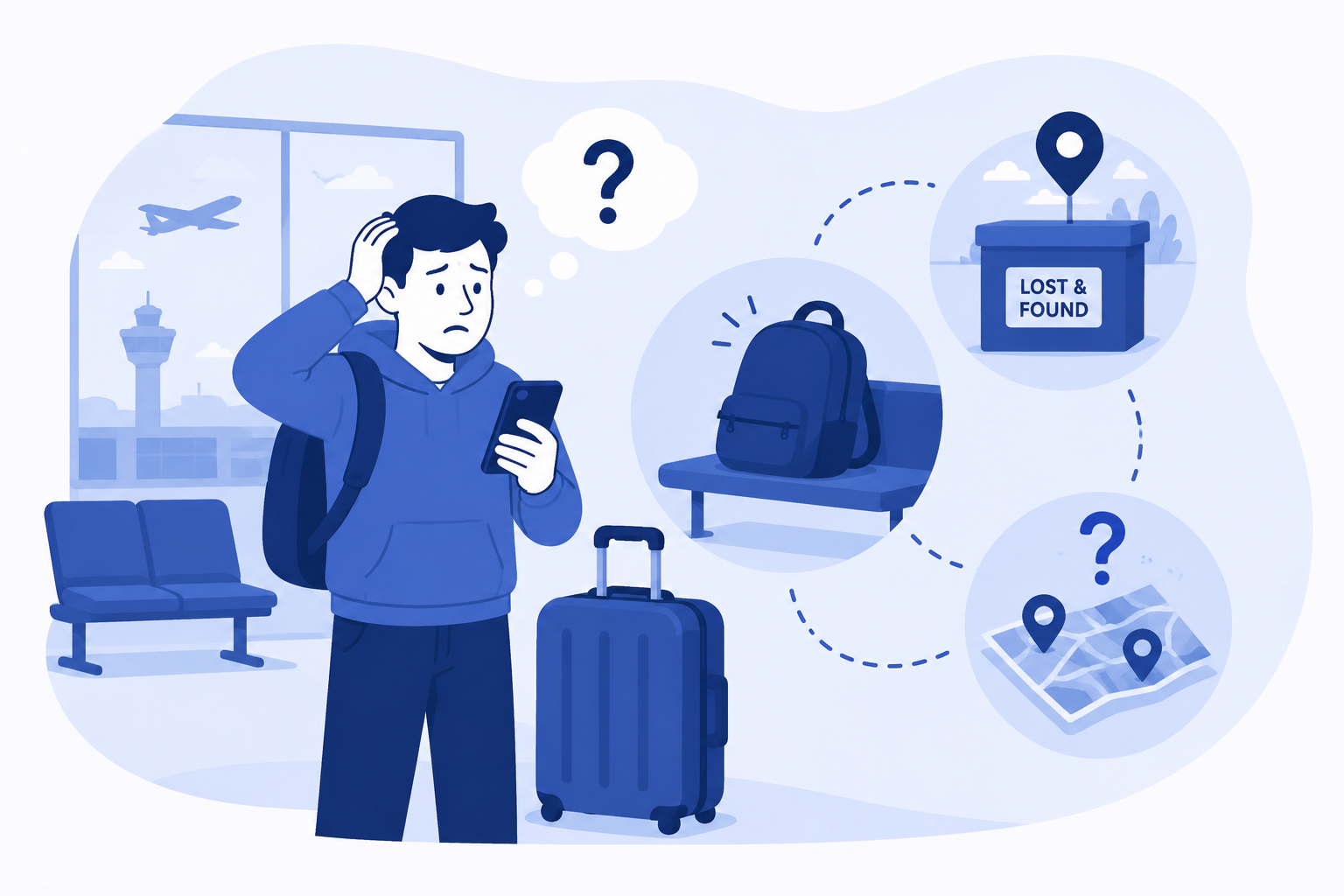
And the frustrating part is that the gear was probably found. Someone probably picked it up. They just had no way of getting it back to you.
Most people don't think about this until they're standing at the spot where they left something and it's not there anymore. By that point, the thinking doesn't help much.
What an R2O Tag Does for Your Kit
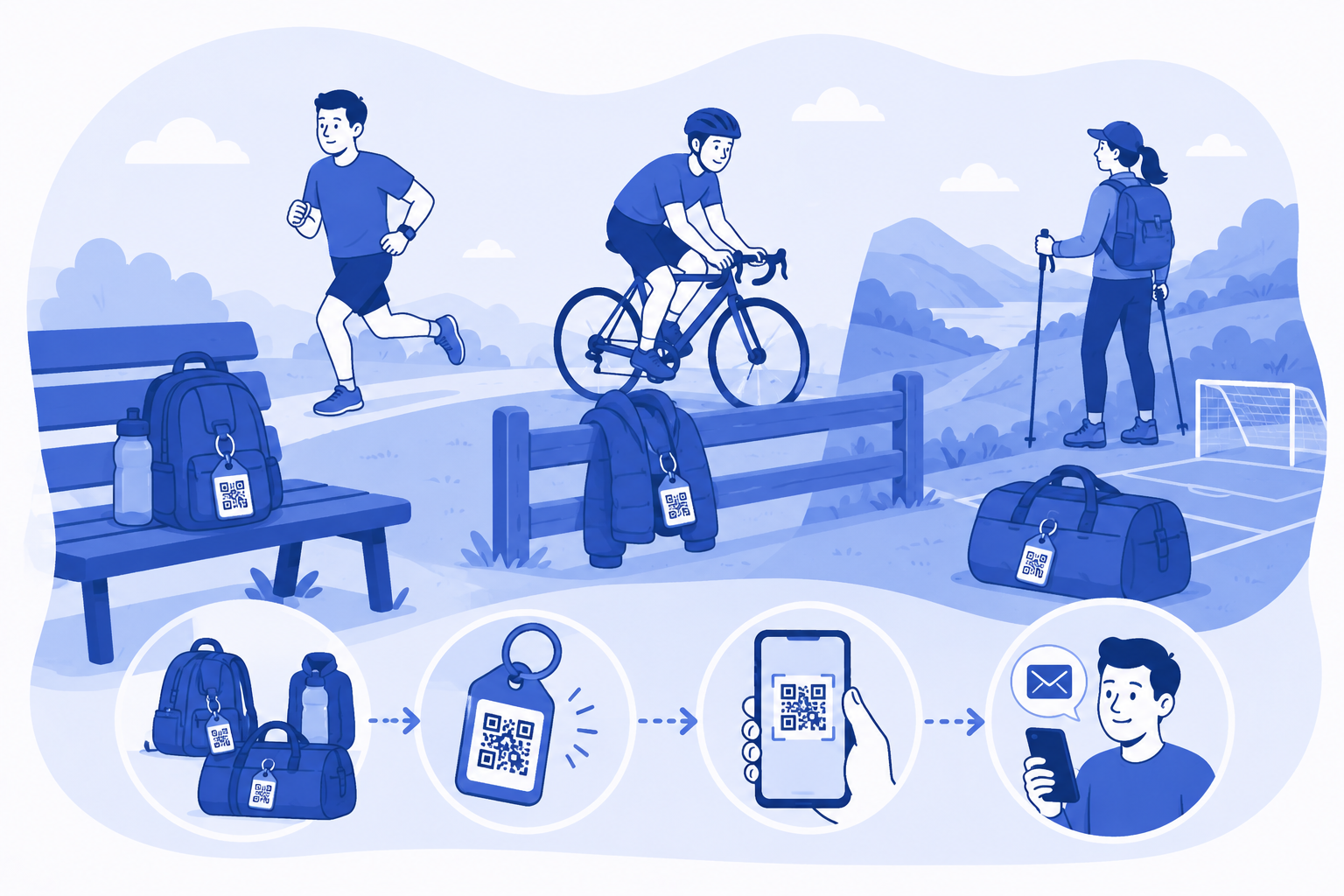
An R2O tag is a QR code that connects your gear to you. Small enough to attach to a bag, a jacket, a helmet, a bike frame. Weatherproof enough to handle whatever you're putting it through.
If someone finds your stuff - or spots something you've left behind and wonders whether to hand it in - they scan it. They get connected to you through R2O in seconds. No personal details shared, no app to download, no faff.
Your kit goes out with you. And now it has a way of coming back.
Sort It Before Your Next Session
The good news is this is a genuinely easy fix. Not the kind of thing that requires a whole new system or a change in habits - just a small tag on the things you take out with you.
Head to return2owner.club, get set up in a few minutes, attach the tags to your bag, your helmet, your kit - whatever you'd be most gutted to lose. The tags are small, unobtrusive, and built to handle outdoor conditions. Once they're on, you forget about them entirely.
Until the day your bag isn't where you left it - and instead of that sinking feeling, you get a message from someone who found it two streets away and just wanted to do the right thing.
That's what R2O is for. And it's a much better ending to that story.